Comfort in Crafting the Final Chapter
By Ken Garfield
Years ago, I was sitting in Dave and Barbara Cribbs’ living room in Charlotte, N.C., helping them write Dave’s obituary. Conversation turned from the obit to the service that will honor Dave’s life. That’s when Barbara said something I didn’t fully appreciate at the time.
“I’m having so much fun planning Dave’s funeral.”
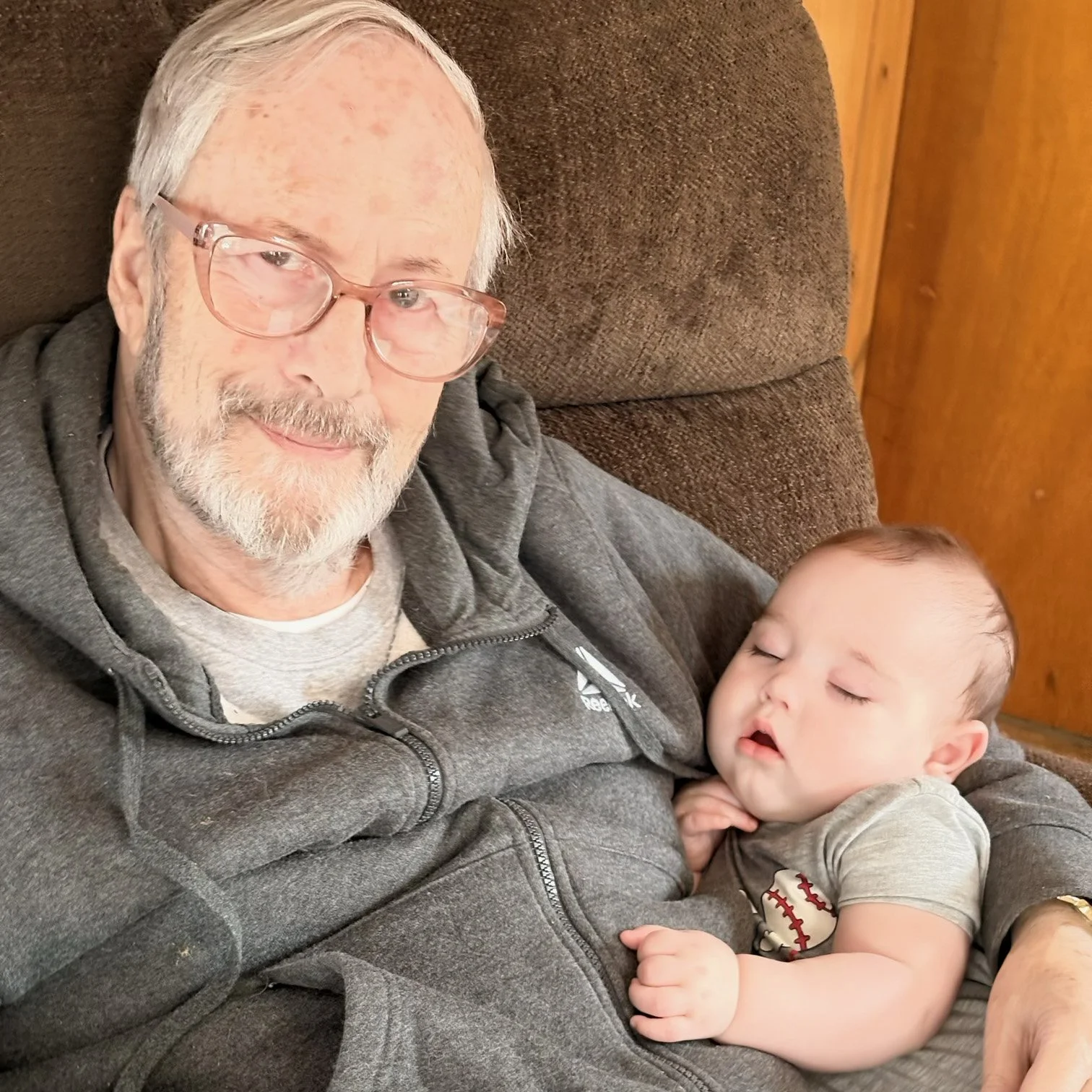
Dr. Gary Garfield and his grandson, Finn. (Photo contributed
by the family)
Today, 12 years after cancer took Dave, I understand. My brother, Gary, has pancreatic cancer. At the time of this posting, he is still with us. Together, he and I have had so much fun planning his funeral.
My older brother is 80. He was a doctor in the small Upstate New York town of Monticello, N.Y. He loved his work, loved coming home to his wife, Gloria, at day’s end. The diagnosis of pancreatic cancer forced his retirement and set him on a journey that has lasted three-plus years. We thank God that he has outlived many who have this terrible form of cancer. (Aren’t they all terrible?). He couldn’t have fathomed he’d live long enough to hold his first grandchild, Finn, on his lap in the chair where he spends much of the day.
Almost immediately after the diagnosis, he went into planning mode.
Our work together began with his obituary. He enjoyed revisiting his life, from how he heard the call to medicine (he and his best friend dissected a frog in seventh grade) to what he says when someone shares their own medical problem, almost always less serious than his. “Count your blessings.”
Then came funeral plans. Here’s where the real fun began.
He wants the service to be brief. (His attention span was never very long). Though nonobservant, he wants it to include a taste of Judaism in remembrance of our parents.
We met with a local rabbi who performs funerals. Gary had decided on cremation, a custom that now far outnumbers burials. I knew that conservative Judaism has historically opposed cremation. Still I was stunned when the rabbi badgered Gary to choose burial. He wouldn’t let up. My brother was too intimidated to end the meeting. Not me. I told the guy this conversation is over, and something along the lines of “I can’t believe you are hectoring a dying man.”
We found a more kindly local rabbi to come and recite the Mourner’s Kaddish.
Gary looks forward to regular visits from Hospice. His wife, Gloria, usually has a sweet treat waiting for them. The team includes a chaplain, a lovely man who was raised Roman Catholic and eventually found his way to Buddhism.
“He has come to know you,” I told my brother. “He has been a partner on your journey. Let’s have him beside us when we reach the end.”
Gary loved the idea, which is how we ended up at his dining room table with the chaplain, planning the service. It will include a rabbi. A Buddhist. Two adult sons either speaking or foregoing that weight to sit by their mom, holding tight to her. Gary asked me to deliver the eulogy, which will offer a blend of heartbreak, humor and uncertainty, mirroring life.
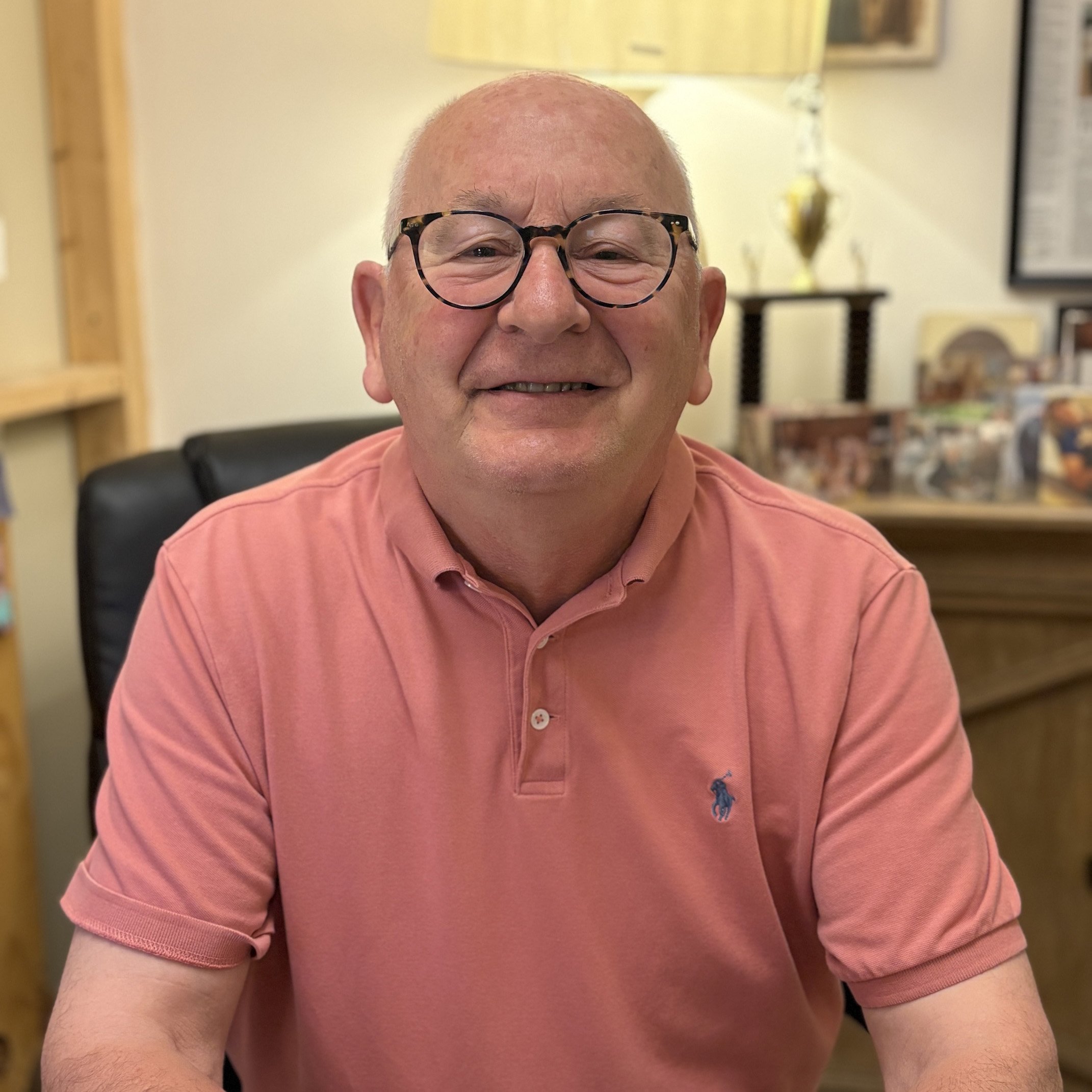
Ken Garfield
From what I prepared months ago (you never know with cancer): “Gary has said often that he doesn’t believe in a life after this one. I love what my wife, Sharon, a believer, told him. ‘Well, let’s hope you are pleasantly surprised.’”
And this: “I did consider speaking under protest. This was the older brother, after all, who used to chase me around the house taking pictures while I was naked. Thank God that was before Instagram.”
I knew Gary wanted to have plans in place. But it never occurred to me that he would find so much solace in crafting this last chapter of his story. The young and healthy among us might cringe at the notion. But those who are in the same boat as my brother will understand. You lose control of your life when cancer or some other life-ending illness strikes. The only power you have left is what to watch on Netflix.
Planning your funeral, writing your obituary, holding on until out-of-town loved ones arrive home, even divvying up the jewelry and clothing for the children and grandchildren – all of it becomes your final, defiant act.
It declares, “This has been my life. Now this is my death.”
After that meeting with the Buddhist Hospice chaplain, Gary and I said goodbye until next time with a hug and an “I love you.” At some point that day he asked me if we had made arrangements for the visitation and food.
Ken Garfield, a friend of End in Mind, spent a decade covering faith and values for The Charlotte (N.C.) Observer. Now a freelance writer/editor, he helps people write obituaries.